

Blending Tradition and Modern Farming Techniques: Soumaïla’s Story
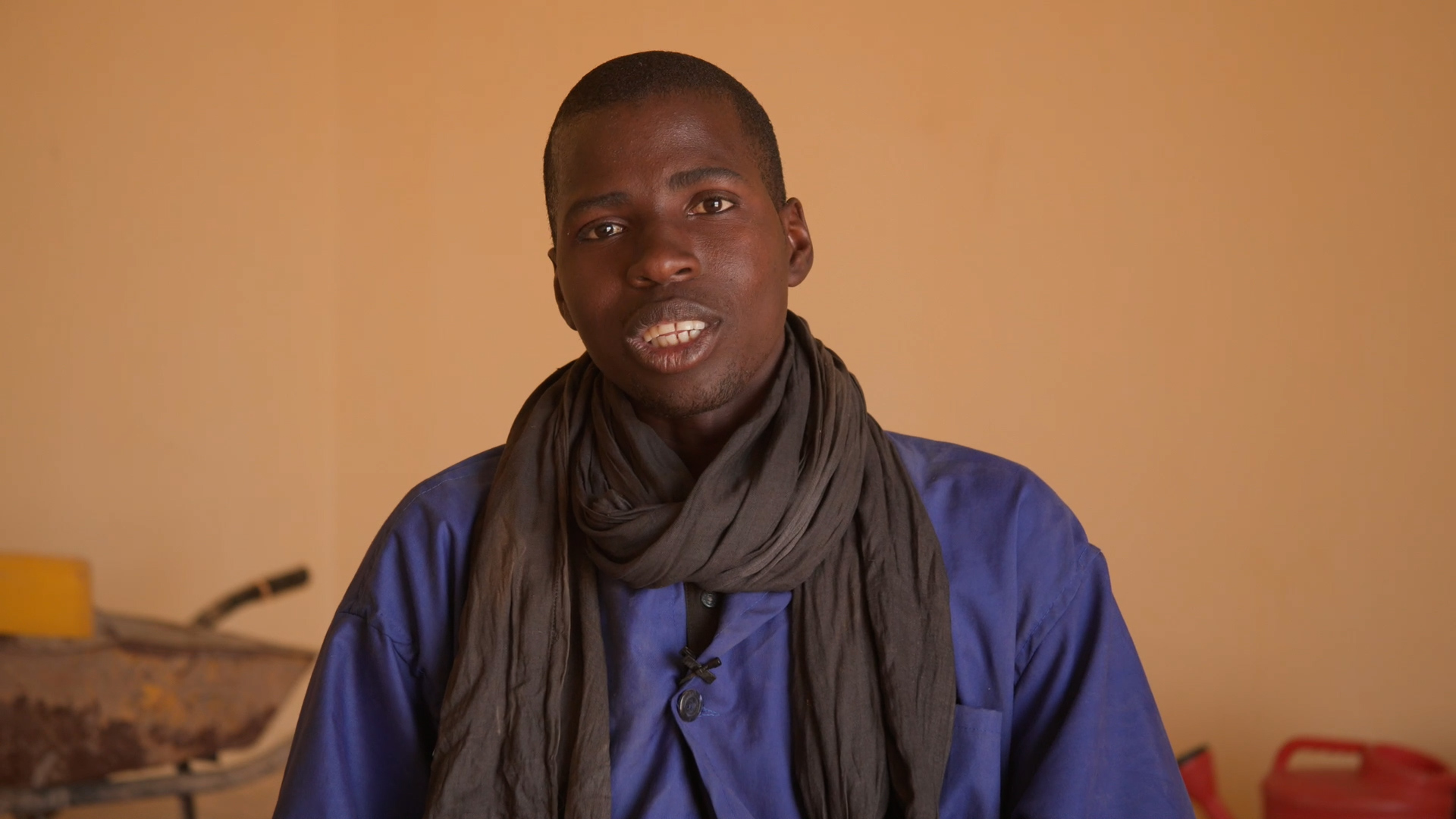
Program participant Soumaïla Doucoure. Photo by RET.
Article by Ben Dwork, Global Communications Officer for RET
SÉGOU, MALI – In the community of Sakoïba and across the Ségou region in Mali, RET Germany has been working to improve livelihoods and food security through training in climate-adaptive agriculture and handicrafts, as well as promoting peaceful relations and economic interdependence among communities.
We spoke with Soumaïla Doucoure, a young program participant whose life, deeply rooted in traditional agricultural practices, took a transformative turn when he became part of this BMZ-funded initiative. Soumaïla is part of the agricultural training programs run in partnership with the local NGO ALPHALOG. Before the project, Soumaïla, like many others in his village, relied on ancestral farming techniques that, while time-honored, often yielded suboptimal results.

Harsh environmental conditions in Mali have required the adoption of climate-adaptive agriculture techniques. Above, one of the agricultural training programs in Sakoïba. Photo by RET.
Soumaïla’s Experience
This mutli-facted faceted project has brought significant changes to Soumaïla’s farming practices and his understanding of sustainable agriculture. The selection process for project participants involved close coordination with local authorities, ensuring that those most in need, like Soumaïla, were given the opportunity to benefit.
Want to make a difference? Consider making a donation to RET today.
The community and project participants have benefits from the introduction of modern agricultural practices, and they have been provided extensive training on sustainable farming techniques. Traditional and ancestral practices have been taken into account, creating a hybrid approach. Says Soumaïla: “Before the project arrived, we used to plant seeds without any selection, just the local ones we had. But now, we’ve learned to choose the best seeds, which can yield up to 70–80% more.” This newfound knowledge was a revelation, drastically improving crop yields and promoting better land use.
“We moved from traditional crops to cultivating a variety of vegetables, which has been very beneficial for our community.”
One of the critical aspects of the training was the emphasis on non-chemical methods for pest control and soil fertility. The project has taught participants how to prepare bio-pesticides and avoid harmful chemicals, ensuring long-term soil health. “The project showed us how to make bio-pesticides from local materials, which is better than the chemical ones. It’s a sustainable way to keep our land fertile,” Soumaïla explained.
Moreover, the project facilitated the cultivation of various crops, including sorghum, sesame, tomatoes, potatoes, okra, and peppers. This diversification not only provided nutritional benefits but also increased economic stability for the participants. Soumaïla noted, “We moved from traditional crops to cultivating a variety of vegetables, which has been very beneficial for our community.”

Program participants from one agricultural training program site. Photo by RET.
A Community Becomes More Self-Sufficient
Soumaïla’s testimony highlights the profound impact of this project on individual lives and the broader community. The knowledge and skills gained have equipped participants with the tools to improve their livelihoods sustainably. “With these new practices, we can solve many of our problems without needing to move to cities or other countries. The land is our greatest asset,” Soumaïla emphasized.
“With courage and hard work, we can improve our lives and support each other. The project has given us the knowledge and confidence to succeed.”
Looking ahead, Soumaïla is optimistic about the future. He plans to continue applying the techniques learned and hopes to inspire others in his community to embrace these sustainable practices. “With courage and hard work, we can improve our lives and support each other. The project has given us the knowledge and confidence to succeed,” he stated.
Soumaïla’s journey is a testament to the potential of sustainable development to uplift communities and create lasting positive change, and his experience with RET Germany exemplifies the transformative power of community-focused initiatives. By integrating modern agricultural practices with traditional knowledge, the project has not only enhanced food security but also fostered a sense of hope and resilience among this and other communities across Mali.
To help us continue this important work in Mali and in communities like Soumaïla’s, consider making a donation to RET today.
You must be logged in to post a comment.