

Empowering Voices: RET Supports the Third Annual Youth Panel Discussion in Belize

Article by Marco Lopez, Communications Officer for RET Belize
In October and November of this year the RET team has actively engaged students and out-of-school youth from across Belize in knowledge-sharing on gender-based violence (GBV), violence against women and girls, and human trafficking as a part of the SAFE Belize project. These sessions culminated in the third annual Youth Panel Discussion that took place in Belize City on Thursday, December 7.
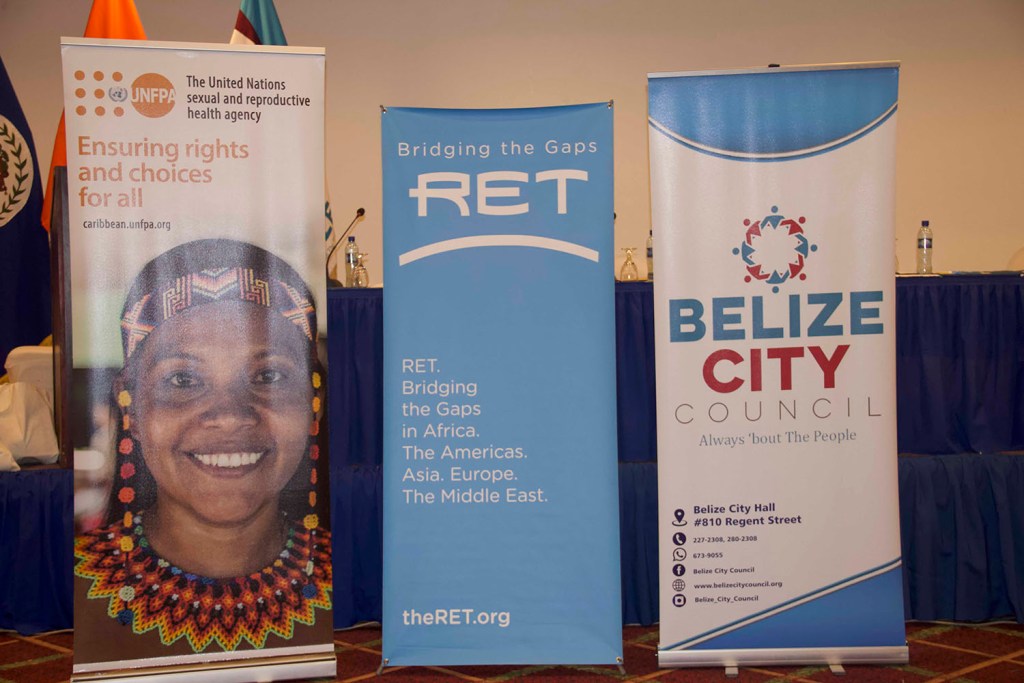
Traditionally facilitated by the Belize City Council and the United Nations Population Fund in Belize (UNFPA) as an online session, this year, in partnership with RET, UNICEF, and the Department of Youth Services, the event brought together youths from across the country for a live discussion.
“Everyone needs to take heed of the issue of gender-based violence because it affects everyone, and it will only end if everyone is involved.”
Cherese Ferguson, Country Director for RET in Belize, highlighted the significance of bringing students from diverse backgrounds together in one space to amplify their voices on these critical topics. She explained, “It was an online event, and so this year, with the availability of funds and resources, we were able to make it into a bigger event – in person – bringing students from various schools together in one space and having panelists who are members from different groups that were trained by us to speak on these issues.”


In Belize, data reveals an upward trend in the prevalence of gender-based violence and violence against women and girls, according to the Belize Crime Observatory, a leading data collection agency in the Central American country. They report a general increase in gender-based violence throughout 2022, citing a 41% rise in domestic violence reports compared to 2021 numbers.
Tisa Grant, UNFPA’s Liaison Officer in Belize, emphasized that gender-based violence can impact everyone, underscoring the importance of involving young people in discussions around the topic. Grant stated, “Even among young people, there are issues of intimate partner violence, there are issues of domestic violence, and when we hear domestic violence, for example, we often think it only involves a woman and a man, partners in a household, but the children in that household are also affected. So, everyone needs to take heed of the issue of gender-based violence because it affects everyone, and it will only end if everyone is involved.”
“I feel like there is a rise in gender-based violence because there is a rise of women in power. Some men with fragile egos might view that as they’re losing their own power – that’s not the case – but they might feel that.”
Youth from all nine municipalities in Belize gained insights into the connections between gender-based violence, violence against women and girls, and human trafficking, learning to detect and adequately report suspected cases to relevant authorities.
The five panelists in this year’s discussion were Aiden Genius from the Toledo Community College, Gina Tejada representing the Youth Shadow Council of the Belize City Council, Asher Torres representing the Child Advisory Body, Jeavannie Depaz from Muffles College High School, and Khristoff Enriquez, a member and representative of the Youth Advisory Group of the UNFPA.


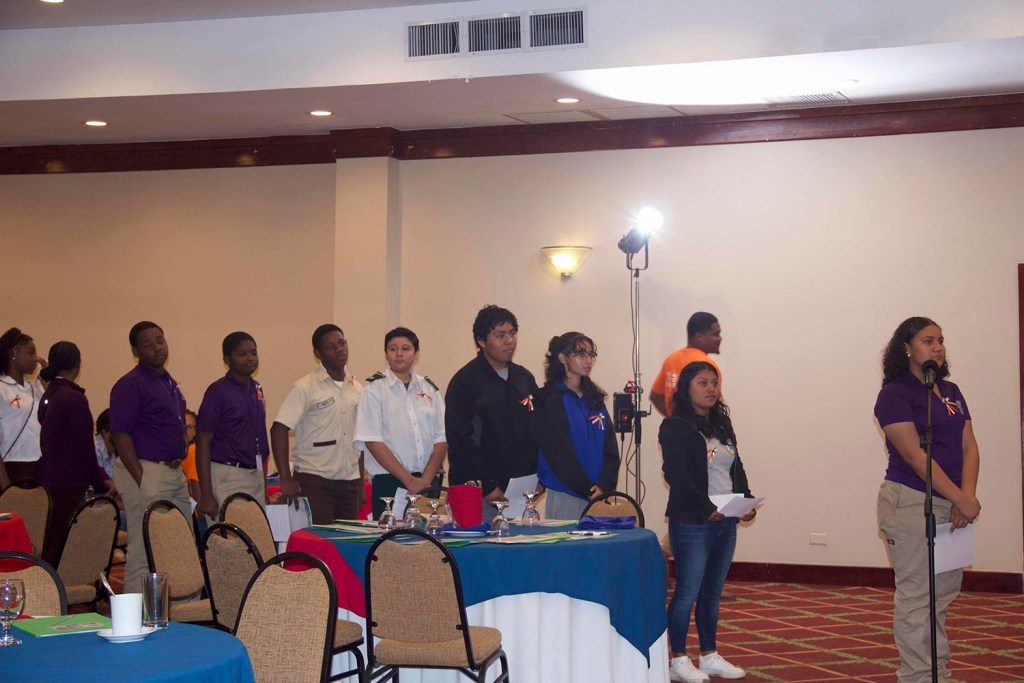
During the question-and-answer portion of the panel, one student asked why the panel thinks there has been a rise in gender-based violence.
Asher Torres said, “It can be for a number of reasons. One, within the household, as we mentioned before, they see their father beating their mother, or their mother beating their father, and that can affect a child’s mental state, and that’s what they portray when they leave the household. Or it can come from within an educational setting, whereby students are bullying them, and they don’t want to be bullied, so they turn the bully.”
Jamielee Depaz expressed, “I feel like there is a rise in gender-based violence because there is a rise of women in power. Some men with fragile egos might view that as they’re losing their own power – that’s not the case – but they might feel that.”
When asked their opinion on the most effective way to reduce what one participant termed as toxic masculinity, Christoff Enriquez from the UNFPA Youth group said, “In terms of our generations, being ‘Gen Z,’ I think the most effective way would be social media, especially TikTok. What I would do is create short videos, sharing my experience, and different stories from what I’ve heard, and maybe sharing educational videos to get the message out to a bigger audience.”
In the end, the youths, both on the panel and in participation, displayed a deep and nuanced knowledge on the subject area – a testament to the meaningful work carried out by the RET Belize team and all the partners over this past year.
One panelist, Gina Tejada, decided to focus her contribution on the male aspect of gender-based violence: “Society expects males to be strong individuals that do not express their emotion or what they’re going through, and what I wanted to bring across today is that they should feel comfortable expressing their emotions without being judged by society because holding emotions in like that can lead to violence and mental issues, and I want them to know that they are being heard and they are valued in their society.”

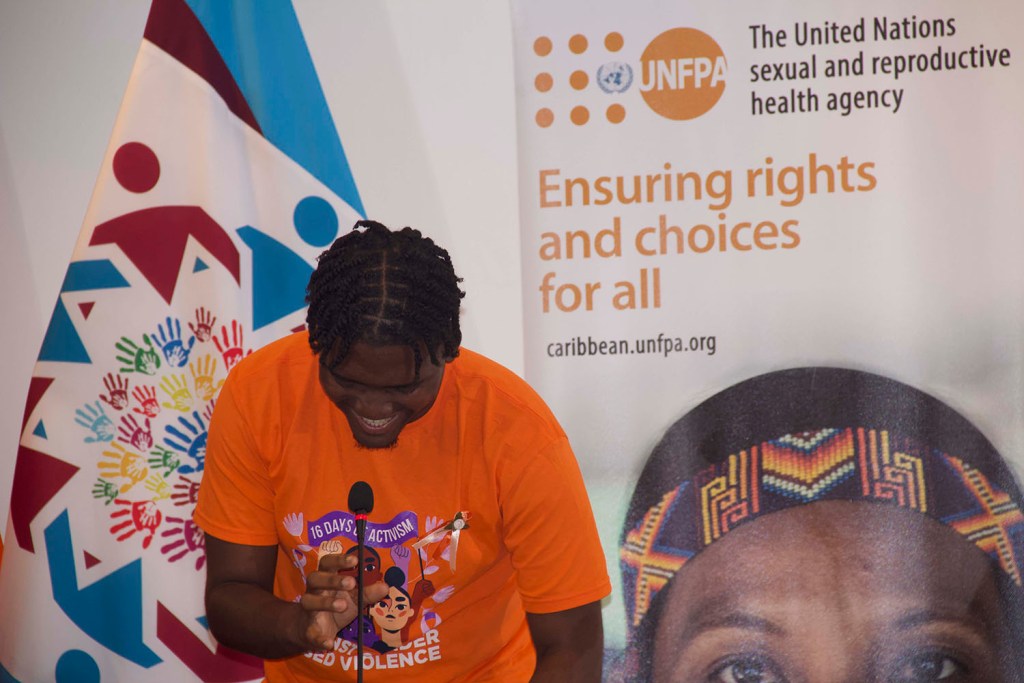
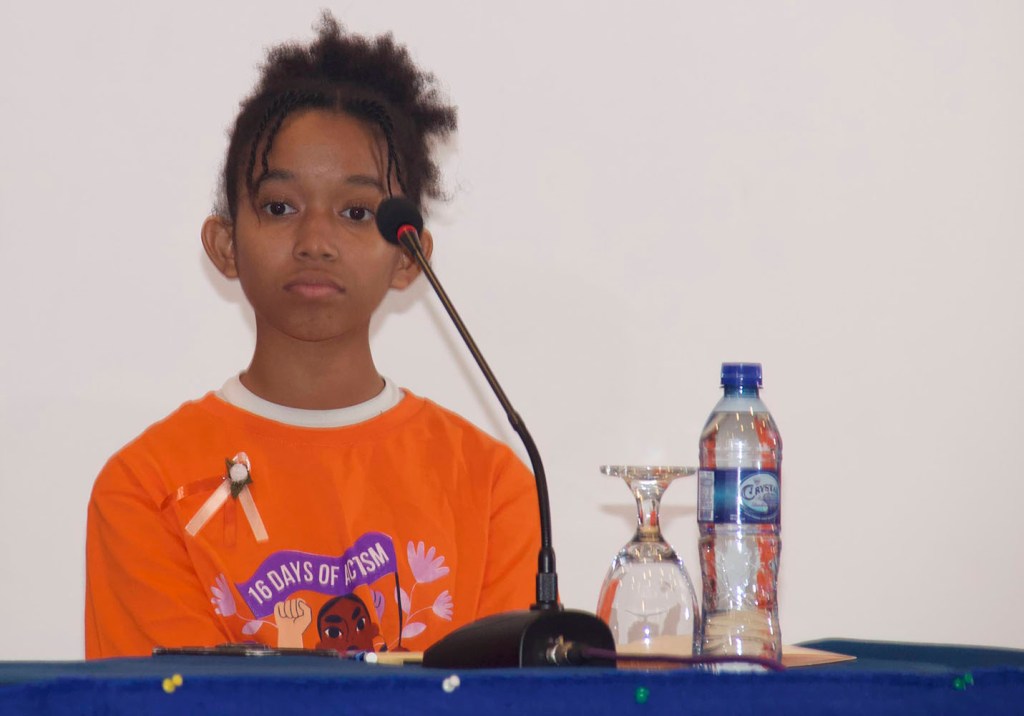

In the end, the youths, both on the panel and in participation, displayed a deep and nuanced knowledge on the subject area – a testament to the meaningful work carried out by the RET Belize team and all the partners over this past year.
The SAFE Belize project will run through to 2025 and is funded with generous support from US Department of State, Office to Monitor and Combat Trafficking in Persons (JTIP). To view the full Youth Panel Discussion, click here.
You must be logged in to post a comment.