

Empowering Education in Mauritania: RET’s Programs Make an Impact in Mbera and Beyond
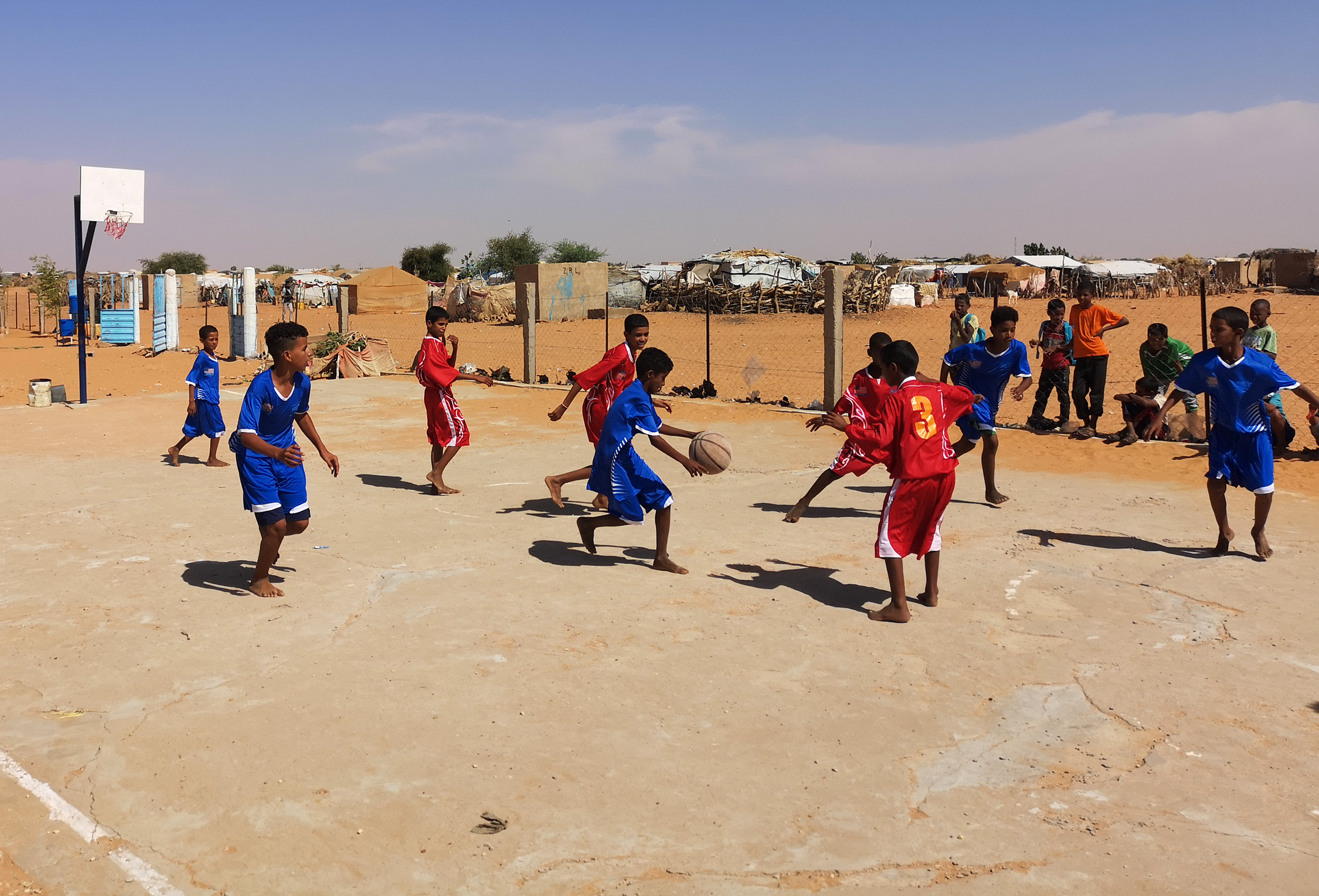
Since 2019, RET has been working to bridge the gaps for hundreds of women and youth who have fled violence and insecurity in the Sahel.
Article by RET in Mauritania
MBERA CAMP, MAURITANIA – Mbera refugee camp in southeastern Mauritania is home to over 107,000 Malian refugees who have fled their country due to ongoing violence and instability. Established in 2012, the camp provides essential services such as education, healthcare, and food assistance to its residents, who face significant challenges in their daily lives.
Since 2019, RET has been working in the camp to address the educational needs of out-of-school children, youth, and support women. Through our innovative Accelerated Learning Program (AEP), we have identified and worked with children who have exceeded school age or have interrupted their studies due to poverty, marginalization, or other challenges. The AEP aims to provide these children with a quality education in an accelerated timeframe, ensuring they can reintegrate into the formal education system or pursue vocational training. We’ve worked to support girls and women through the distribution of menstrual hygiene kits as well as through dedicated learning centers, among other initiatives.
Launching the Accelerated Learning Program
In June 2021, RET held an exchange session in Nema with the Directorate of Education (DREN) and the Inspectorate of Education (IDEN) from Amourj and Bassikounou to outline the development of the AEP. It was during this time that we finalized the curriculum that was to be used to train teachers for the new Accelerated Learning Centers (known by their French acronym CEAR or centres d’enseignement accéléré de RET).
Four schools were selected to host these centers: two in Mbera, one in the commune of, and Tweimerett and Boutib, and one in the commune of Bougadoum. These schools were chosen based on criteria ensuring they could provide a conducive learning environment, such as having at least six classrooms and latrines, and a significant number of out-of-school children aged 9 to 16.
After selecting the schools, we assessed their needs and provided necessary equipment, including didactic materials (compasses, squares, maps, etc.), play and sports equipment, water tanks, and mats. This preparation was crucial to creating an engaging and supportive learning environment for the students.
The activities of the CEARs were officially launched in August 2021, with ceremonies held in each school. Parents, community leaders, and school authorities attended these events, expressing their commitment to supporting the children’s education. The Hakem of Amourj and the Mayor of Fassala emphasized the importance of expanding the program to other municipalities once successful. Since then, we’ve seen enormous growth and success with these programs.


Selected Program Activities: Promoting Environmental Responsibility and Hygiene and Teacher Training
“These three years have been hard for us parents and for our children, because it is our future that was at stake, the development of the community and the country,” said Mbark Mint Kahada, the mother of a first-grade boy. Recognizing the role of schools in fostering environmental stewardship, RET organized tree-planting activities at the launch events.
We’ve also provided comprehensive training for 14 teachers (including seven women) from the selected schools. The training covered pedagogical techniques, student assessment, lesson preparation, and inclusive education. This initiative aimed to equip teachers with the skills needed to support accelerated learning and foster an inclusive classroom environment. One 12-year-old boy, Mohamed, remarked about the program, noting his dreams for the future: “I feel good… I can become a minister [one day].”
Additionally, the project addressed menstrual hygiene management (MHM) for girls, distributing hygiene kits to 278 young women in the CEARs and 140 girls from nearby schools. These kits included sanitary napkins, soaps, and other essentials, helping to reduce absenteeism among girls due to menstrual issues.
Impact and Future Goals
Since its inception, the AEP has enrolled 654 out-of-school children, 59% of whom are girls or women. These students were assessed and placed into appropriate learning levels based on their abilities. Despite the program’s success, challenges remain, including addressing the needs of children with disabilities and ensuring adequate resources for all students.
RET’s Accelerated Learning Program in Mauritania is transforming the lives of hundreds of children, providing them with opportunities for a brighter future. However, continued support is essential to expand and sustain these efforts. We invite you to join us in making a difference. Your donation can help us reach more children, equip more schools, and ensure that every child in Mauritania has access to quality education.
Donate now and be part of the change in Mauritania and around the world.
And to read more about our work in Mauritania: https://theret.org/mauritania/
You must be logged in to post a comment.