

Breaking Barriers to Bring Adolescent Mothers Back to School in Burundi
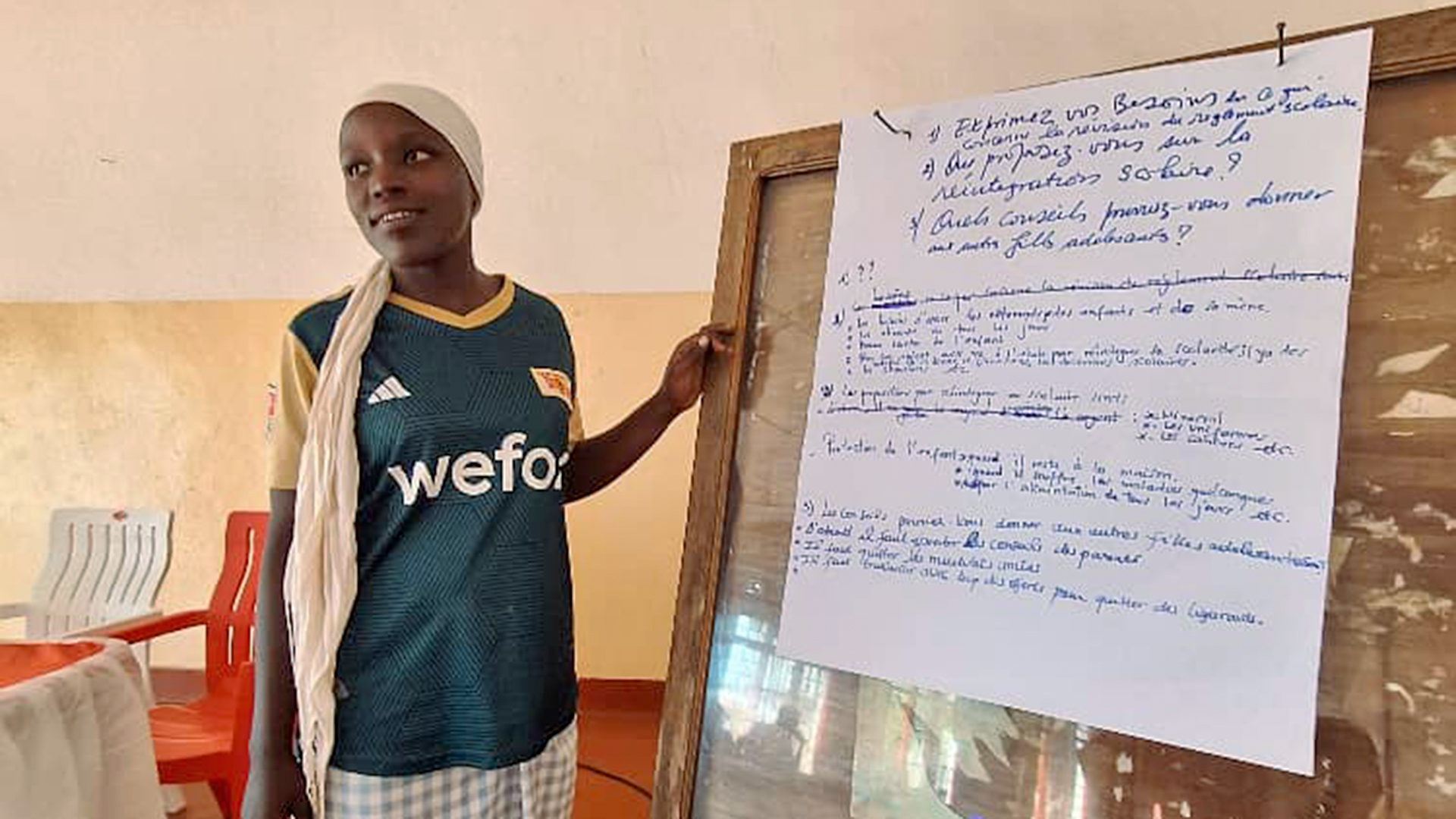
Photo © RET International
Article by RET Global Communications
BUJUMBURA, BURUNDI – Returning to school is a difficult journey for many adolescent mothers. Stigma, financial pressure, and the absence of support systems often force them to abandon their education long before they are ready. Yet across communities, a shift is emerging—driven by dialogue, shared responsibility, and the belief that every girl deserves a chance to continue her studies.
With funding from ENABEL, the NYIZERE NIGE project, implemented by RET International, is working to reopen these doors. As part of this effort, RET organized a series of exchange and advocacy forums that brought together educational authorities, administrators, community leaders, and civil society actors. The aim was to understand the barriers young mothers face and build solutions that can be sustained locally.
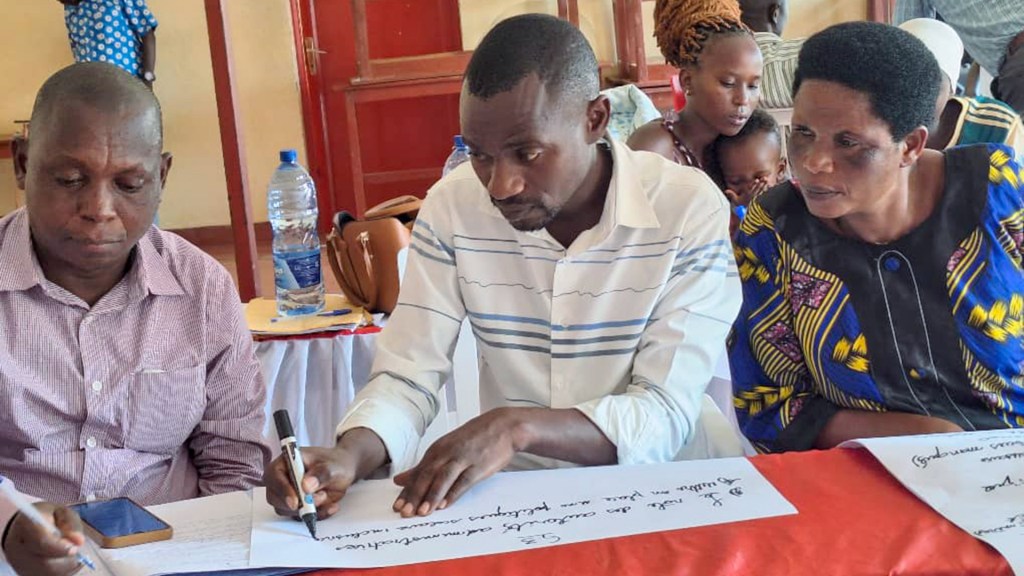
Photo © RET International
Want to support our work across the world?
The discussions began with a clear look at the situation in the provinces of Bujumbura and Butanyerera. Participants highlighted the challenges that continue to push adolescent mothers out of school: discrimination in classrooms and communities, limited awareness of policies that allow them to return, economic hardship, and the lack of childcare options. These issues are well known, but hearing them directly from the girls gave them a different weight.
“I feel stuck between caring for my child and my dream of returning to school,” said Bélyse, 20-year-old young mother, who left school after an unplanned pregnancy. Her words echoed the experiences of many young mothers—torn between responsibility and ambition, with few pathways to move forward.
Guided by these testimonies, participants worked in thematic groups to explore practical ways to strengthen reintegration and ensure that once a girl returns to school, she can stay there. The exchanges led to a series of commitments:
- Educational authorities pledged to prevent discrimination, improve follow‑up, and better communicate existing reintegration policies.
- Administrative leaders committed to mobilizing local resources and integrating the issue into communal development plans.
- Community leaders agreed to challenge stigma and promote acceptance through their public engagements.
- RET International, with ENABEL’s support, will continue to provide technical guidance, strengthen coordination, and monitor progress to ensure these commitments translate into real change.
For many participants, the forums marked a turning point. As one community representative shared, “Seeing an adolescent mother return to school is seeing hope come back to life.” Reintegrating adolescent mothers is about restoring dignity, expanding opportunities, and strengthening the future of entire communities. Through initiatives like NYIZERE NIGE, that future is becoming more tangible—one girl, one story, one commitment at a time.
This project is implemented in partnership with the Ministry of Education, as well as local civil society organizations working on advocacy for girls’ access to education.
To support our critical work across the world, make a donation to RET today.
You must be logged in to post a comment.